Interactive Object / Memory / Distance
We Were There, Differently
A pair of tactile magnetic objects that store traces of touch, distance, and reunion instead of images, voice, or messages.
Year
2026
Context
HEAD Genève / AI in Families
Role
Concept development, interaction design, prototyping, electronics, visual direction.
Tools
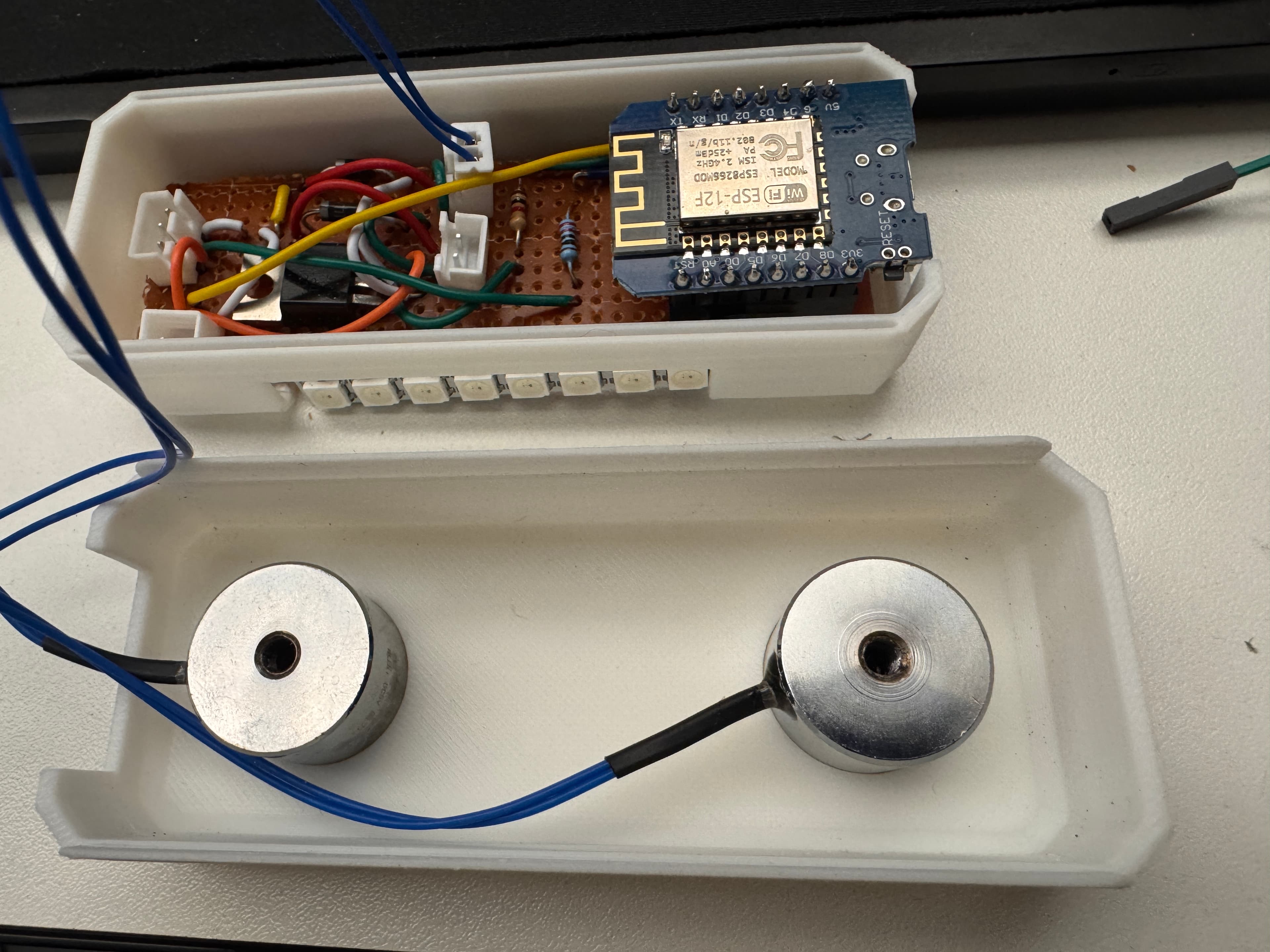
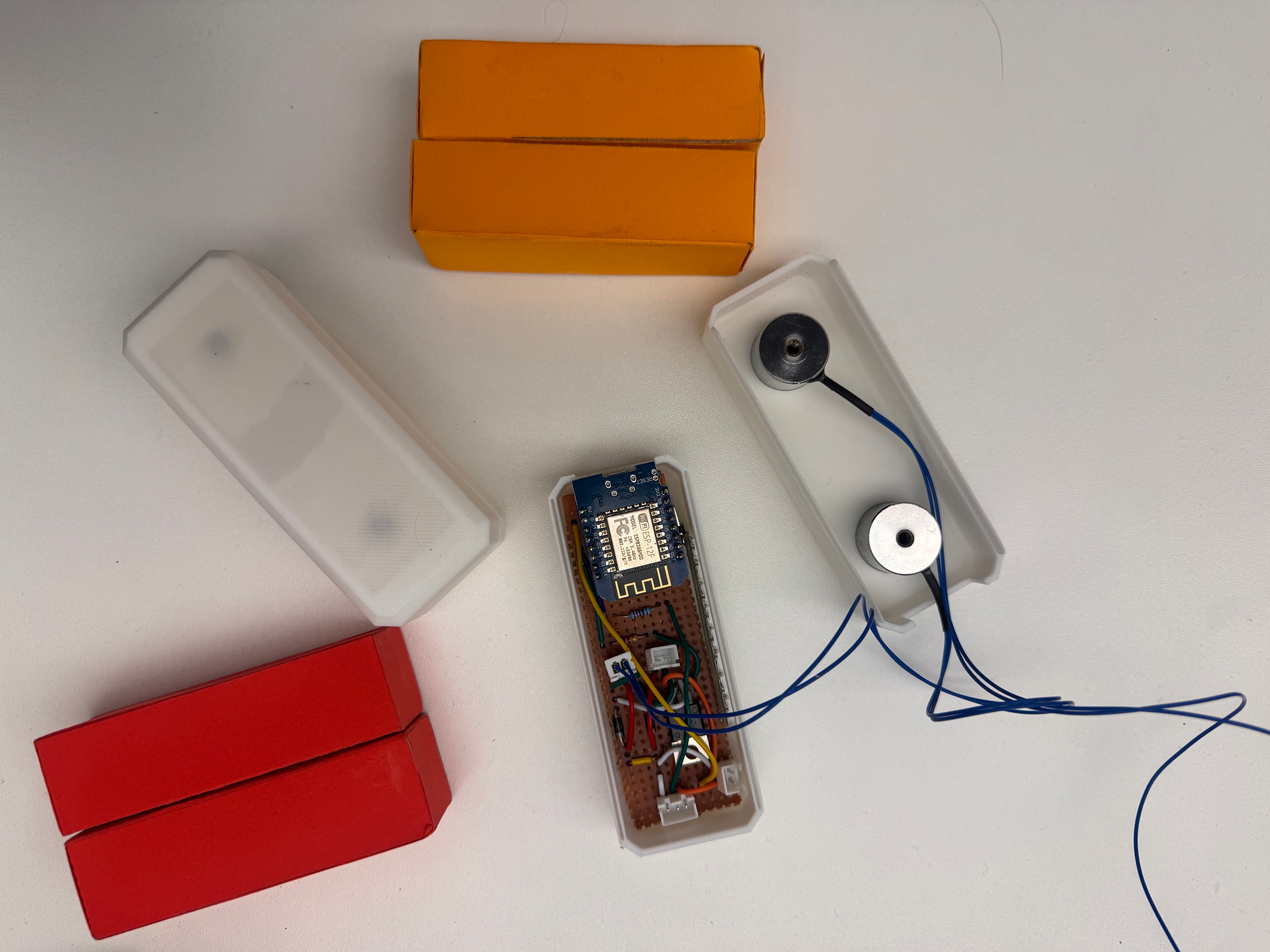
ESP8266, electromagnets, LEDs, physical prototyping, interaction testing.
Overview
We Were There, Differently is an interactive prototype developed at HEAD Genève for the AI in Families course. The project explores how physical interaction can carry memory and emotional attachment through a pair of magnetic objects whose light and magnetic behavior change over time based on patterns of use.
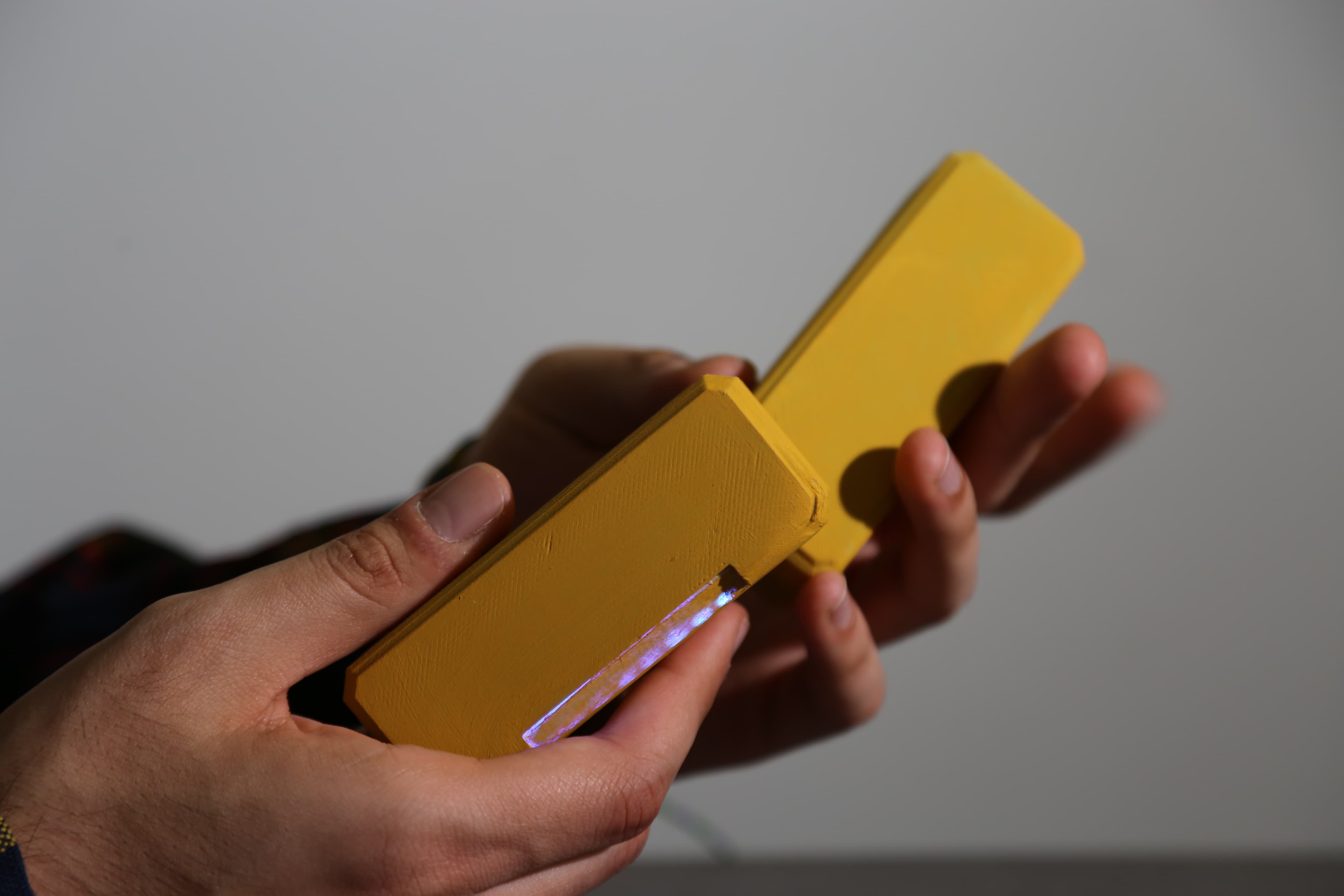
Instead of recording speech, images, or personal content, the objects respond to touch, duration, frequency, rotation, and magnetic contact. The project treats interaction itself as a form of relational memory.
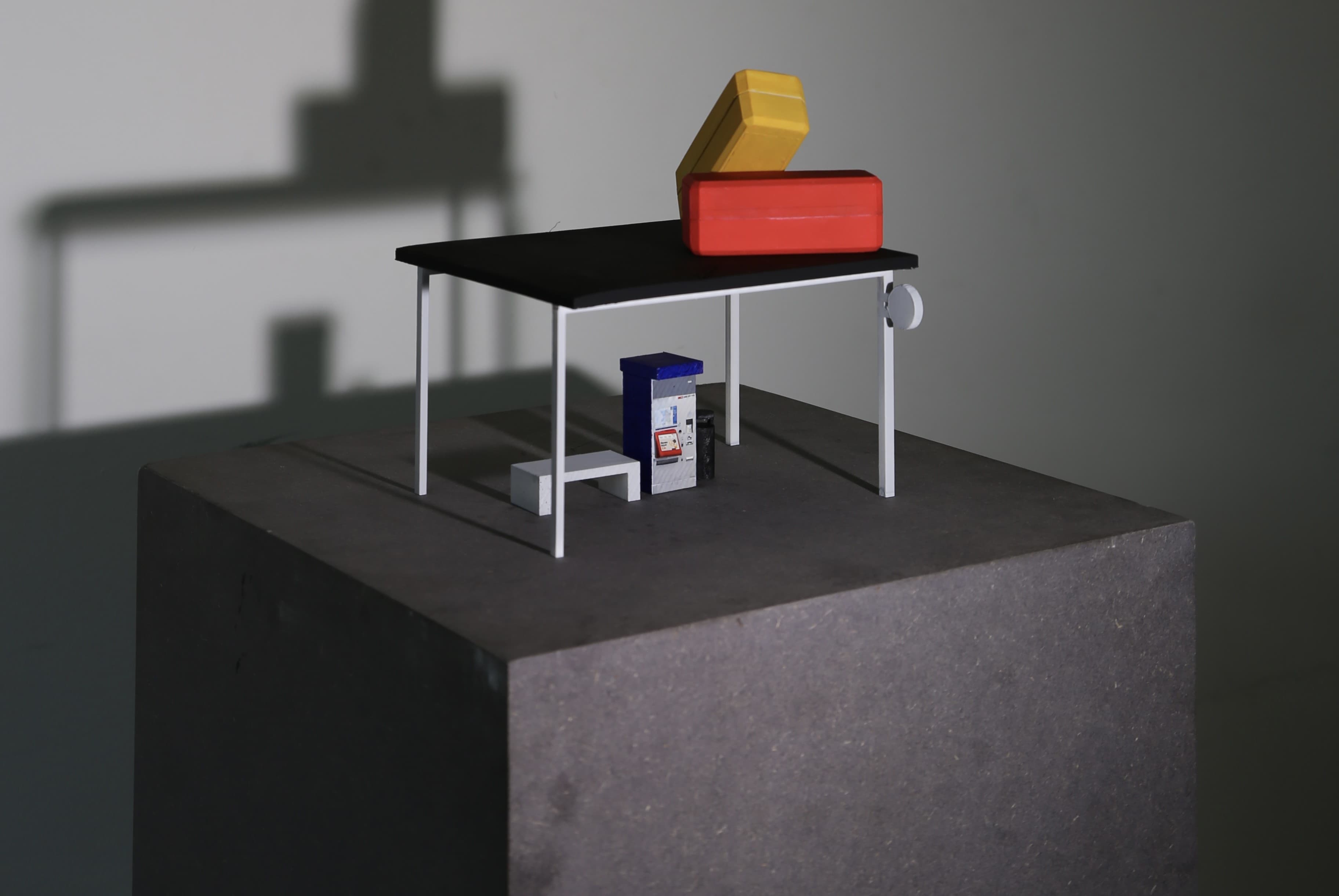
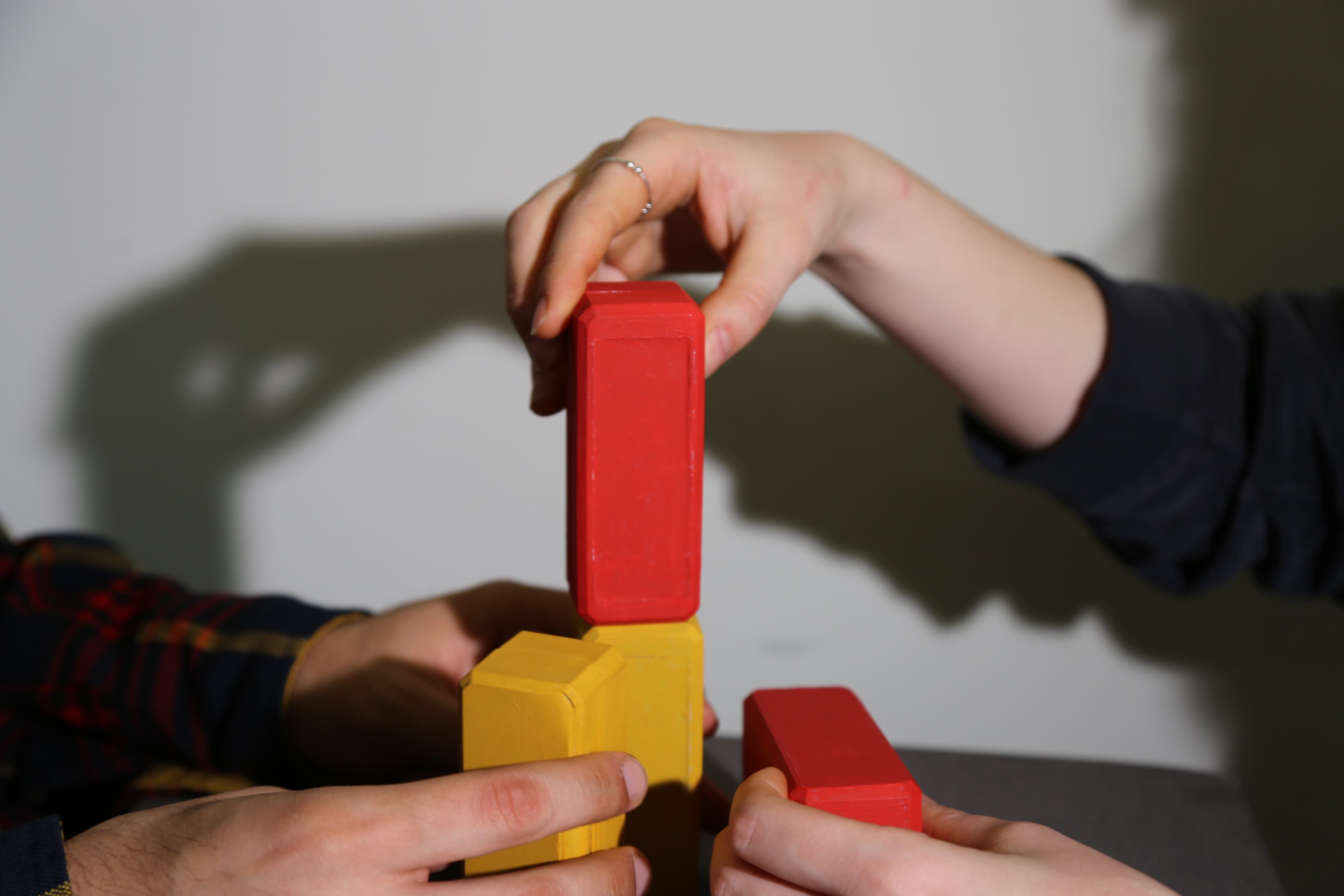
Interaction Sequence
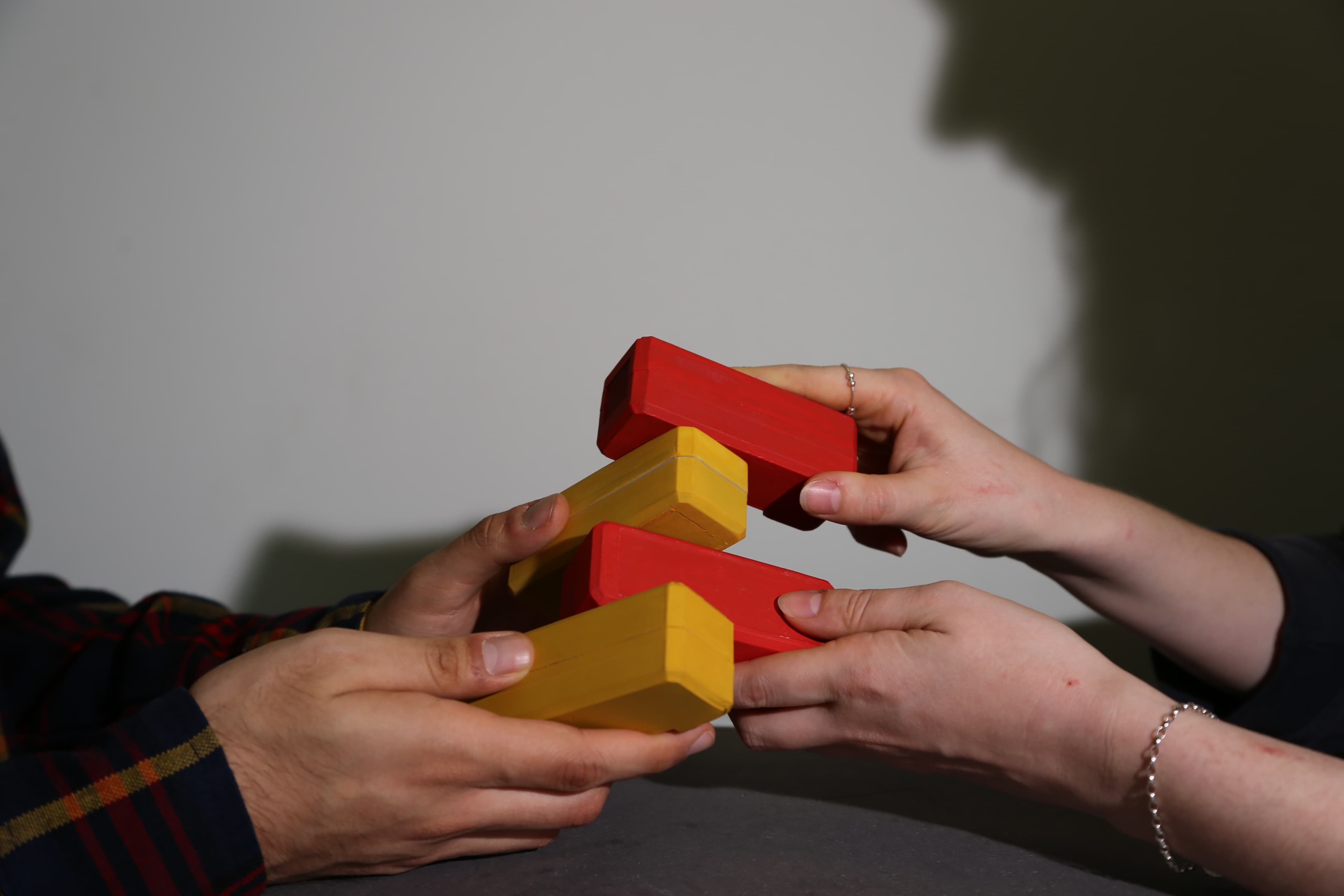
Before separation, two users handle the objects together through touch, rotation, and magnetic contact. This shared handling becomes the beginning of the objects’ memory.
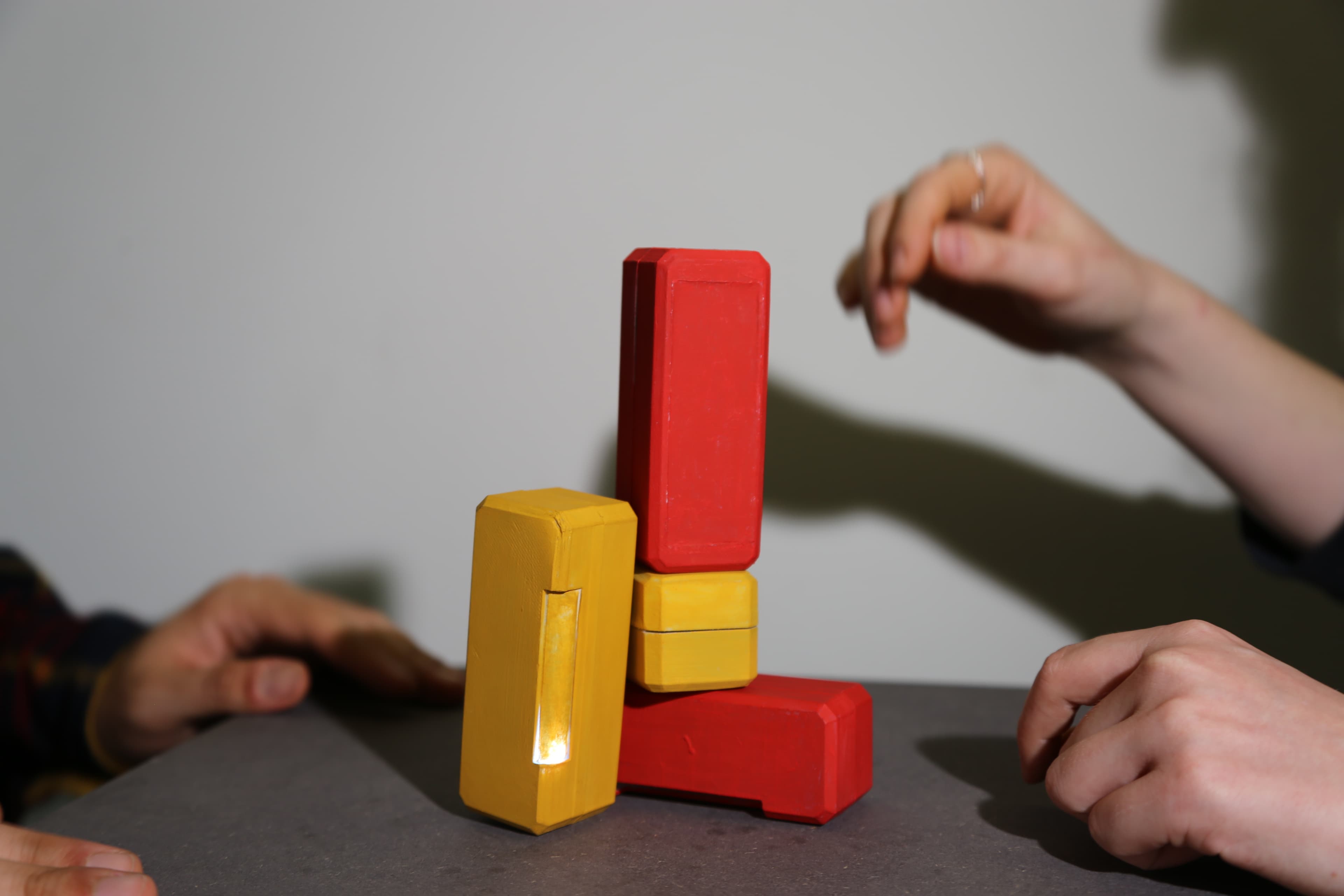
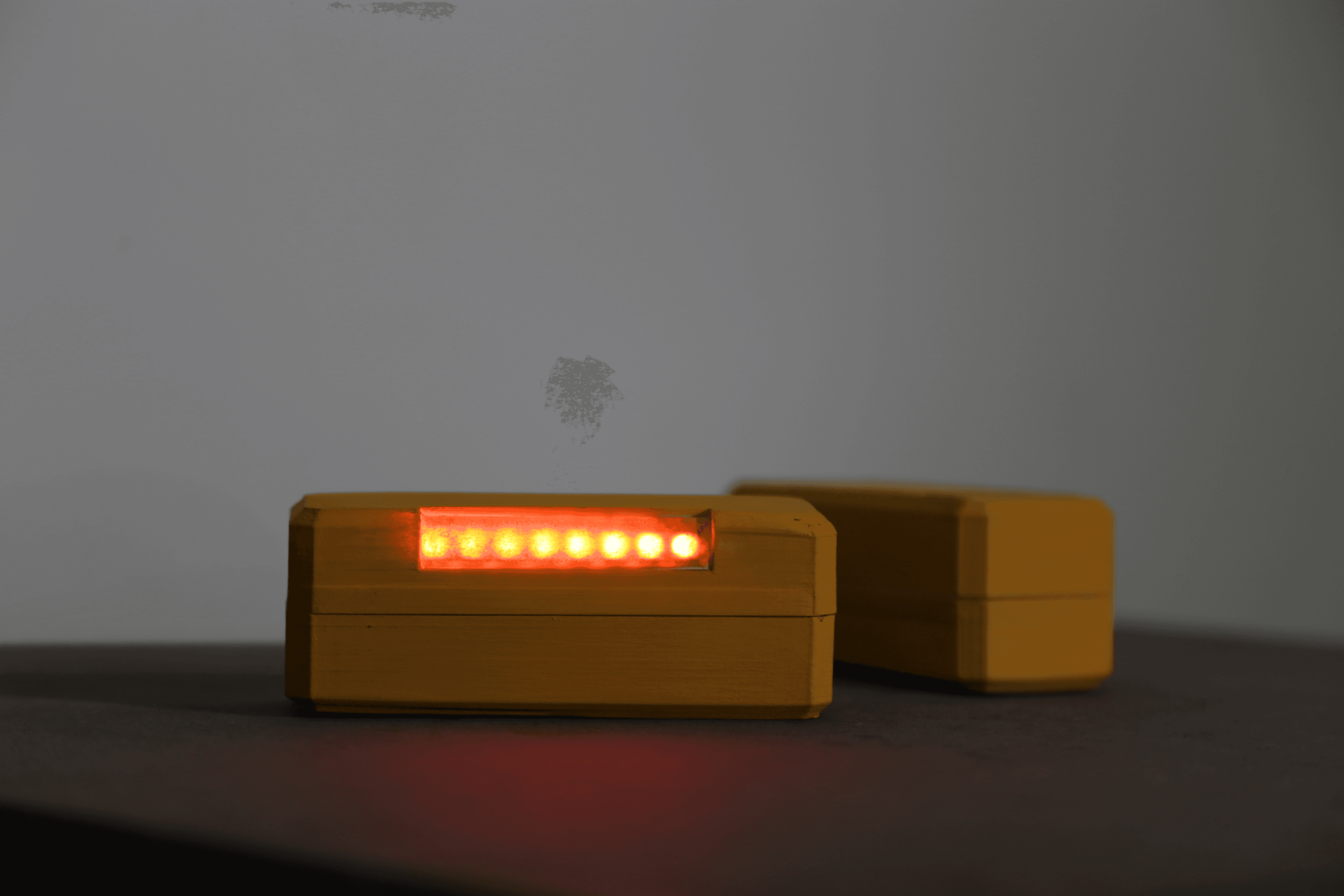
After separation, each person keeps one object, extending the shared interaction into an individual experience. Over time, the light and magnetic behavior shift according to frequency and duration of use.
When the two objects meet again, their responsiveness can gradually be restored through renewed interaction.
Reflection
The project questions what it means to remember someone without storing their image, voice, or exact words. It proposes memory as something behavioral, fragile, and shaped through repeated gestures.
For me, the project became a way to explore emotional technology without making the object feel like a surveillance device or a personal archive.